If gas is already on your street, converting from oil to natural gas is usually the simplest upgrade for a Montgomery County house with a boiler. If it is not, keeping a well-serviced oil boiler and adding a cold-climate heat pump for most of the season is often smarter than ripping everything out.
Replacing oil entirely with a heat pump works best in ducted homes or hot water systems with room for ductless heads.
The right call depends on four things: whether PECO has a gas main at your curb, what your chimney can safely vent, whether you have steam or hot water, and the age of the boiler you have now.
Who Is Still on Oil Around Here
Roughly one home in eight around Blue Bell still heats with oil, mostly 1960s and 1970s colonials that were built before gas lines reached every road. The share runs higher in older pockets: stone farmhouses on back roads, twins in the North End of Norristown, and large Glenside houses whose boilers were converted to oil decades ago and never changed again.
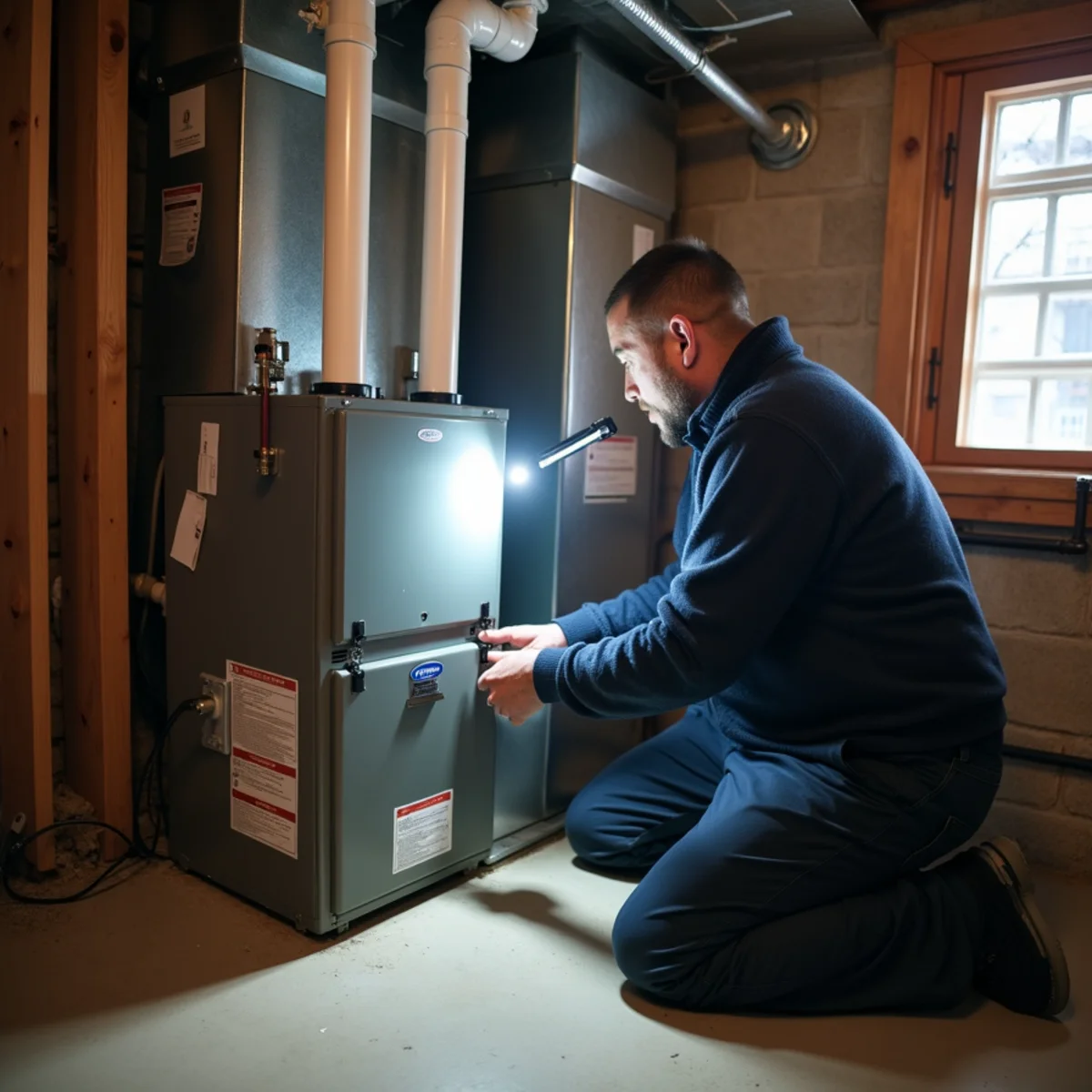
Most of these homes have a cast-iron boiler feeding radiators or baseboard, and a steel tank in the basement or, less often, buried in the yard. That combination shapes every option below.
The Three Paths Side by Side
| Item | Keep oil | Convert to gas | Add or switch to a heat pump |
|---|---|---|---|
| What it takes | Annual burner service, eventual boiler replacement | PECO service line, new gas boiler or burner, chimney liner or sidewall venting, gas piping | Outdoor unit plus ductless heads or an air handler, often an electrical circuit or panel work |
| Running cost drivers | Oil price swings, delivery schedule | PECO gas rates, boiler efficiency | Electric rates, outdoor temperature, how well the house holds heat |
| Works with steam? | Yes | Yes, with a gas steam boiler | Not on the steam piping; runs alongside it |
| Biggest catch | Fuel deliveries and price volatility | No gas main on your street means a long wait or no option | Older homes may need air sealing and electrical upgrades first |
| Adds cooling? | No | No | Yes |
Cost drivers matter more than any single number here. The length of the gas service line, the condition of the chimney, the size of the house and how many zones or heads you need all move the quote. The technician we send gives you the price before any work starts.
Converting to Gas: Main, Service Line and Chimney
Start with PECO, not the boiler
Step one is finding out whether a PECO gas main runs in front of your house. If it does, PECO installs a service line from the main to a meter on your house, and that request has its own lead time. Apply well before you want the new boiler running, because fall is the busiest time to ask and the service line sets the whole schedule. If the nearest main is down the block, ask PECO whether an extension is possible and under what terms.
The chimney question
Gas flue gases are cooler and wetter than oil exhaust. In an old unlined masonry chimney that moisture condenses, eats mortar and can block the flue. A standard-efficiency gas boiler venting into a chimney almost always needs a properly sized liner. A high-efficiency condensing boiler skips the chimney and vents through plastic pipe out a side wall instead.
Watch the water heater
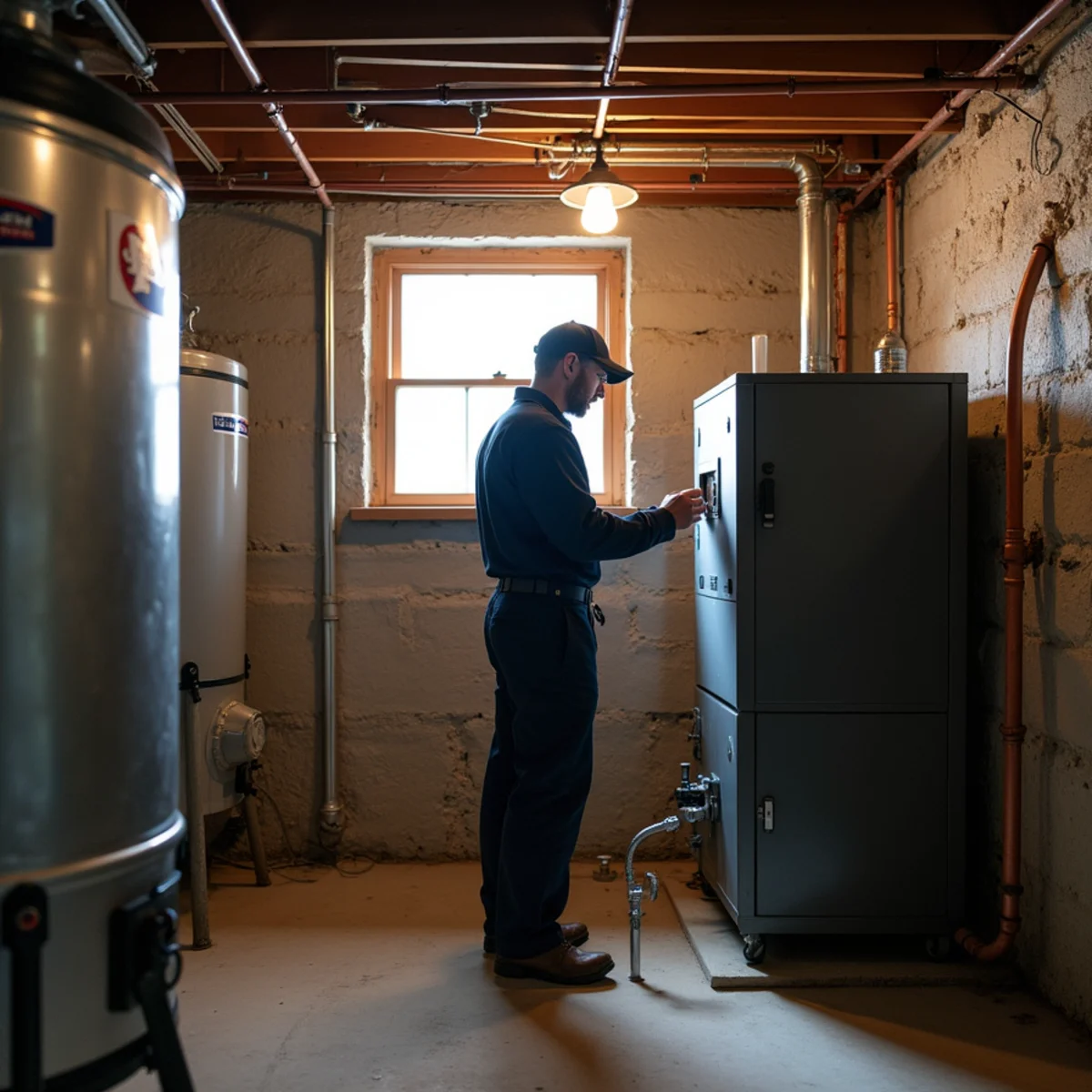
If your oil boiler leaves the chimney and a gas water heater stays in it alone, the flue may now be too large for that small appliance to draft properly. Make sure the installer plans for whatever is left venting into the chimney.
Steam versus hot water
Hot water systems give you the most choice: a modulating condensing boiler often pairs well with big cast-iron radiators, which put out plenty of heat at lower water temperatures. Steam systems need a steam boiler, which is never condensing, plus near-boiler piping done to the manufacturer's specifications. A sloppy steam conversion brings banging pipes and uneven heat. Our page on steam and oil boiler repair covers the symptoms if an existing system is already acting up.
The Heat Pump Route, With the Boiler as Backup
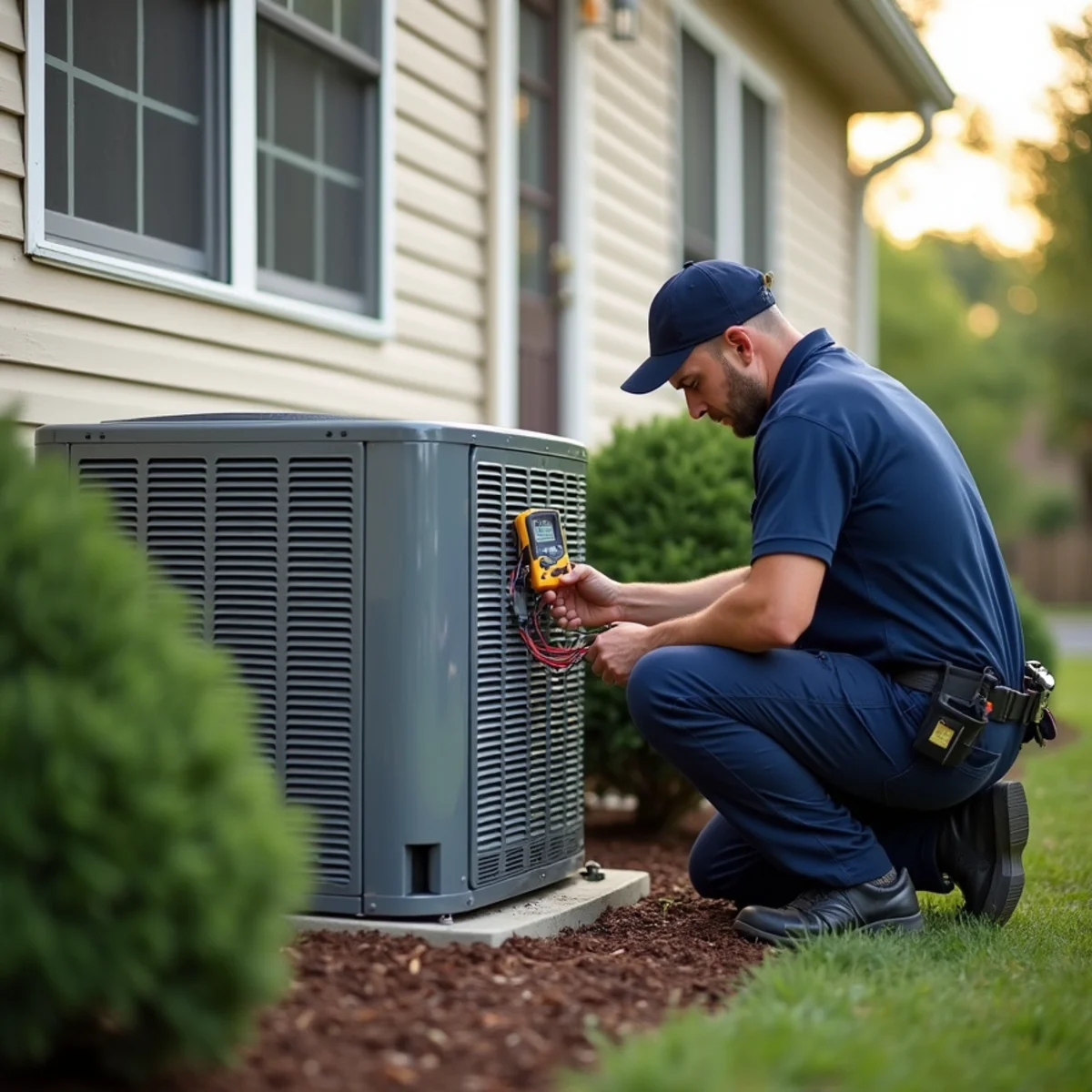
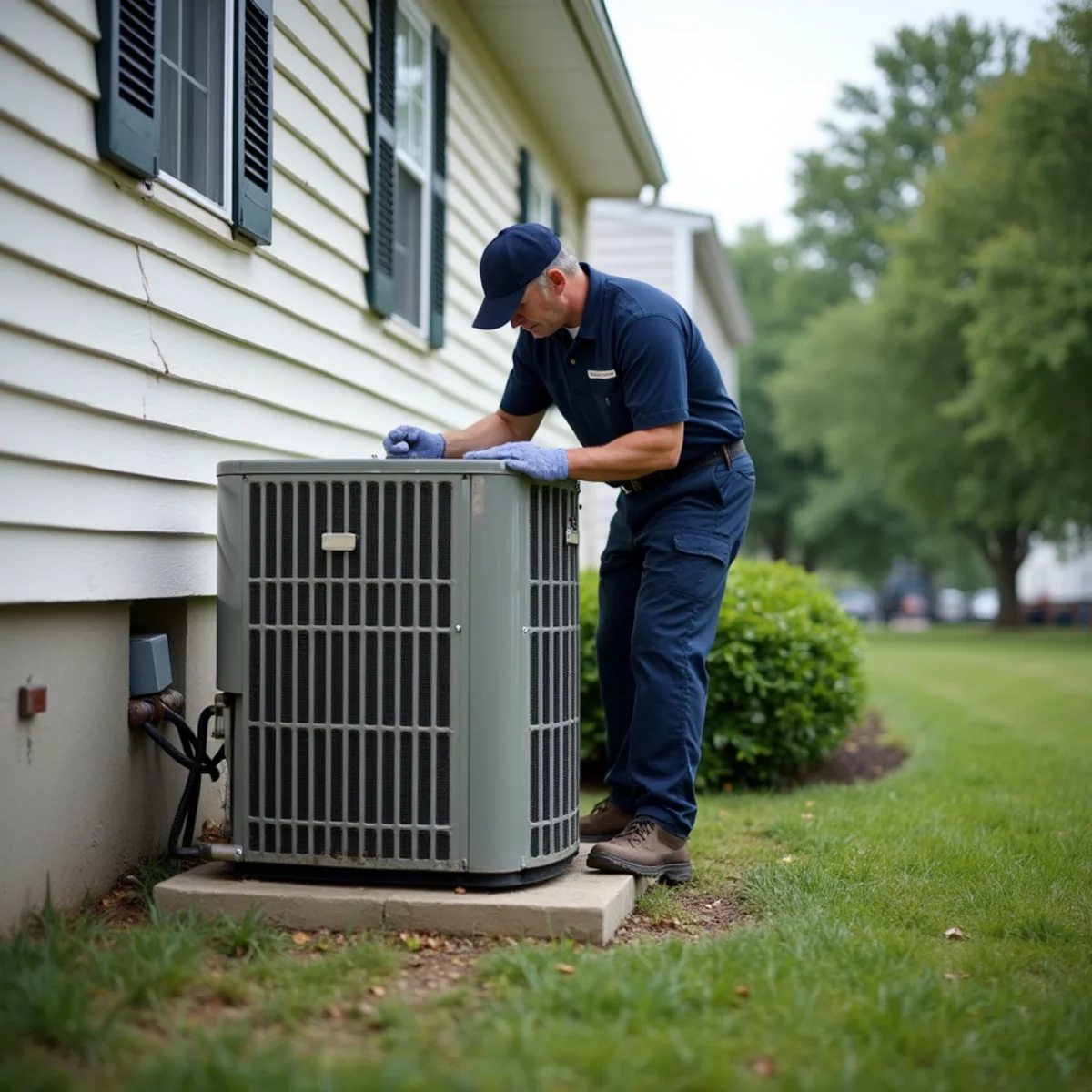
Modern cold-climate heat pumps keep producing useful heat well below freezing. In a radiator house, they usually go in as ductless heads that handle most of the heating season, while the oil or gas boiler stays put for the coldest nights and for rooms without a head. You also get real air conditioning for July, which a boiler conversion never gives you.
Keeping the boiler as backup avoids sizing the heat pump for the single coldest night of the year and protects you if the power goes out during a storm. Older single-stage heat pumps lean hard on electric strips in the teens; if you have seen that, read why a heat pump blows cold air in winter before writing the technology off.
In most of Lansdale borough, electricity comes from Lansdale Electric rather than PECO, which changes both running costs and which rebates apply.
When Keeping Oil Is the Right Answer
If the boiler is under 15 years old, heats evenly and gets an annual cleaning, there is no rush. An oil burner that gets a new nozzle, oil filter and electrode adjustment every fall can run reliably for many more years. If it locks out, press the reset button once at most; pressing it repeatedly can flood the chamber with oil.
Plan the switch before the boiler fails, not during a February no-heat call when every option has to happen at once.
Tanks, Permits and Rebates
- The oil tank. When you leave oil, the tank has to be dealt with. Removal or abandonment is a separate specialist job, not part of the HVAC install, so ask about it early.
- Permits. Expect a permit for a new boiler, a gas line or a heat pump. The contractor pulls it; confirm the requirement with your township or borough.
- Rebates. PECO's Smart Ideas program has offered rebates on qualifying high-efficiency equipment, but amounts and deadlines change. Check PECO's current program page and our PECO rebate guide before buying. The federal 25C tax credit ended December 31, 2025.
When you are ready to compare quotes, start with new heating system installation. We dispatch to the older housing stock in Norristown rowhomes and twins and to the large radiator houses covered on our Glenside service area page.
From the field: what an oil-to-gas conversion actually involves
Conversions go smoothly when everyone knows who does what. The work splits roughly like this:
- PECO's part. PECO runs the service line from the gas main to the house and sets the meter. It does not run gas piping inside the house or install equipment.
- The contractor's part. Gas piping from the meter to the boiler or furnace, the new appliance, venting, the permit and startup.
- The chimney. Gas flue gases run cooler and wetter than oil, so an old masonry chimney usually needs a liner. A high-efficiency condensing boiler vents through PVC instead and skips the chimney.
- The water heater. If the oil boiler also made hot water, or a gas water heater shares the chimney, plan for both. Leaving a water heater alone in an oversized chimney causes venting problems.
- The tank. Draining, cleaning and removing or abandoning the oil tank is a separate specialist job, scheduled after the new system is running.
If your oil boiler is fairly new and in good shape, ask whether a gas conversion burner is an option. Some cast iron boilers can switch fuels by changing only the burner, which costs far less than a new boiler. Steam systems are a special case: condensing boilers do not work on steam, so a steam house converting to gas gets a new non-condensing steam boiler and, almost always, a chimney liner.
The bottom line
If a PECO gas main runs past your house, converting from oil to gas is usually the strongest long-term move, and PECO has offered a rebate for heating-fuel conversions. If gas is not available, a cold-climate heat pump, often with the old boiler kept as backup, is the alternative. Keeping a healthy oil system is reasonable too, with a yearly burner service. Start by asking PECO about gas at your address, then get a written proposal that covers the chimney, the water heater and the tank.
Questions readers ask
How do I find out if natural gas is available on my street?
Contact PECO directly and ask whether a gas main serves your address. They can tell you if a service line can be run to your house and what the process and timeline look like. If your neighbors have gas meters, that is a good sign but not a guarantee, since some streets have mains on only one side or not at all. Start this step before getting boiler quotes, because the service line sets the schedule.
Can a heat pump work with my steam radiators?
Not through the steam pipes themselves. Steam systems need a boiler to make steam, so a heat pump runs alongside them, usually as ductless mini-split heads in the main rooms. Many owners use the heat pump for most of the season and let the steam boiler carry the coldest January nights. That setup also adds air conditioning. The technician we send can look at your layout and electrical service and tell you which rooms are good candidates.
Do I have to remove my oil tank if I convert to gas?
An unused tank should not simply be left full and forgotten. Depending on whether it sits in the basement or underground, it is either removed or properly abandoned, and that is a separate specialist job rather than part of the heating install. Rules and expectations can vary, and home buyers and insurers often ask about it, so plan the tank work at the same time as the conversion instead of years later.