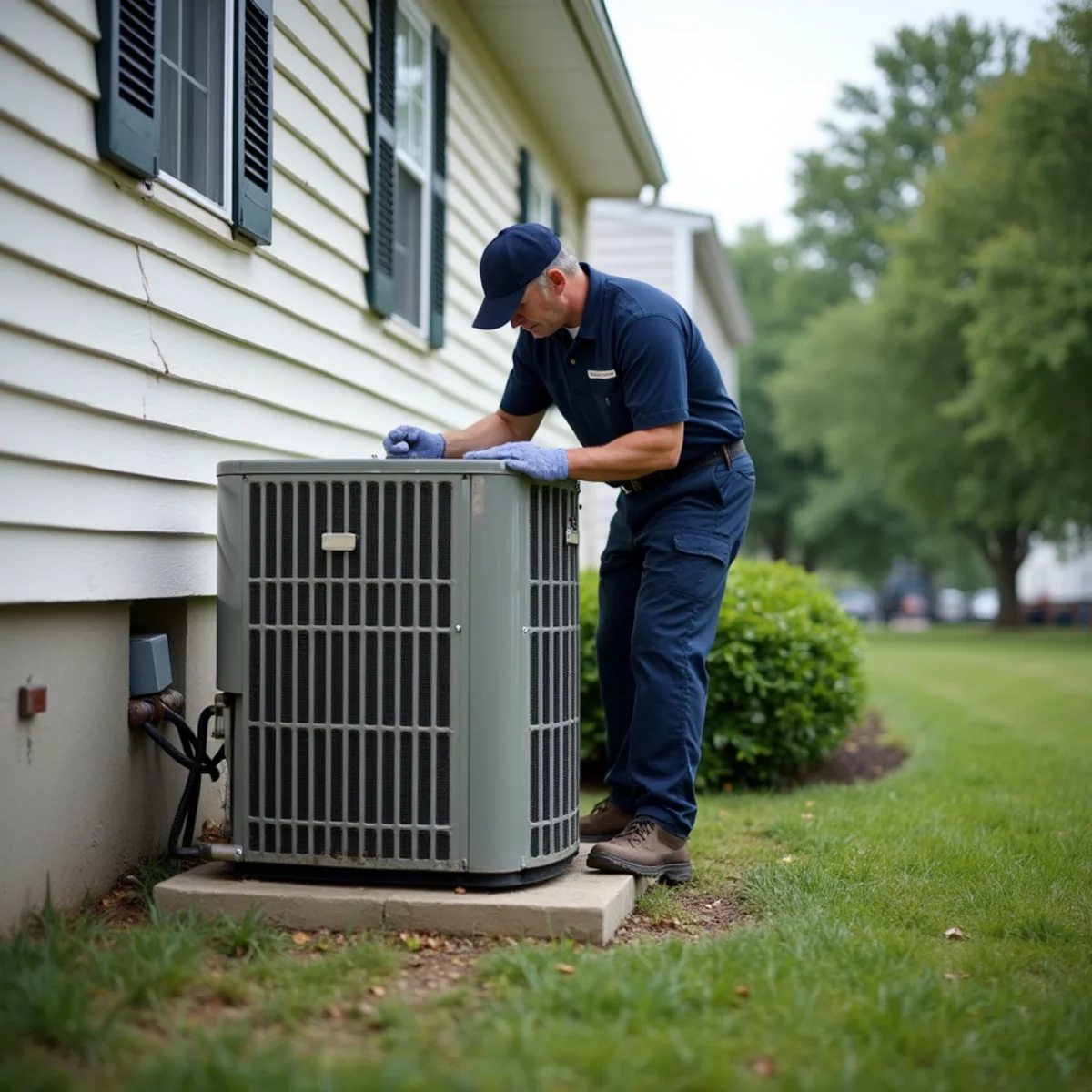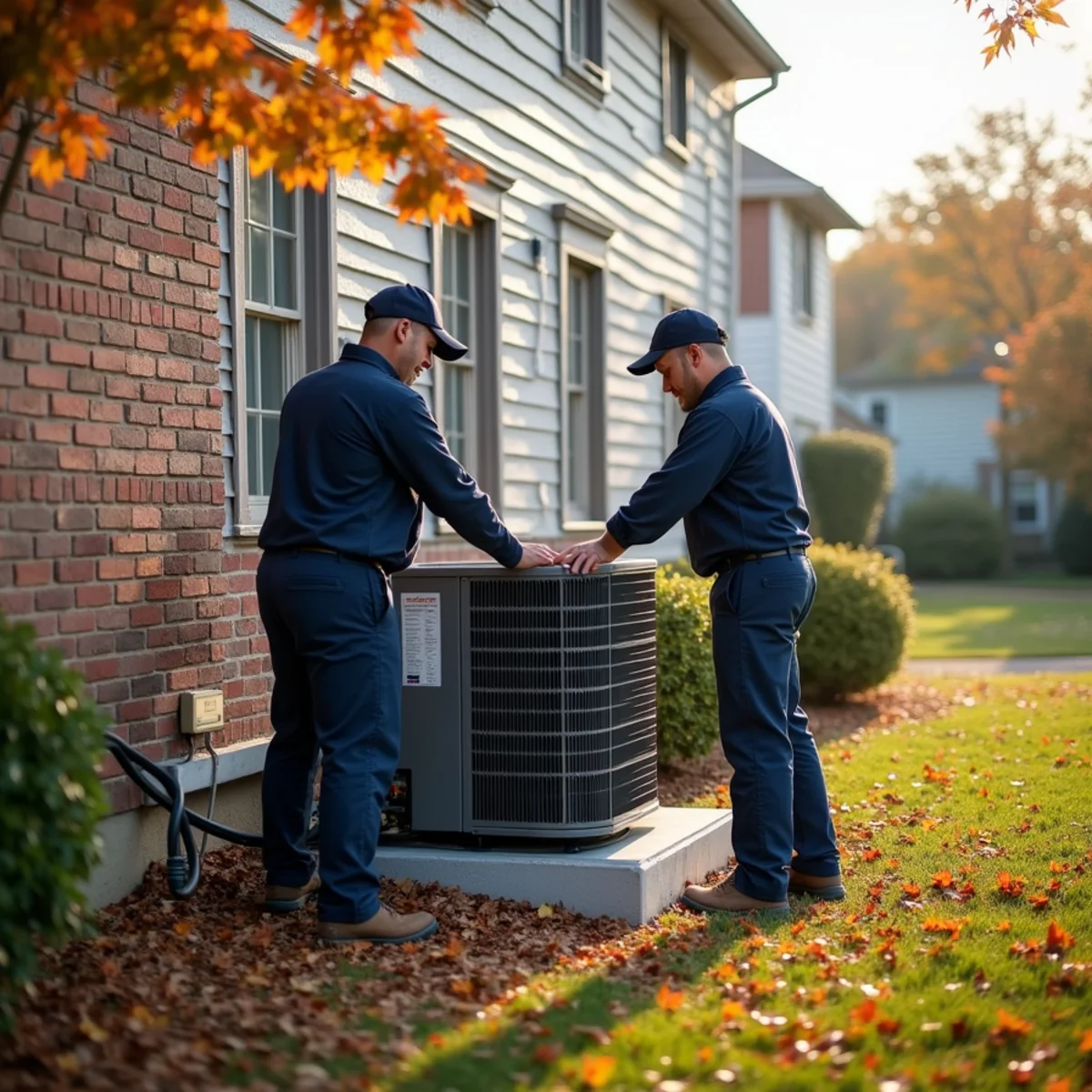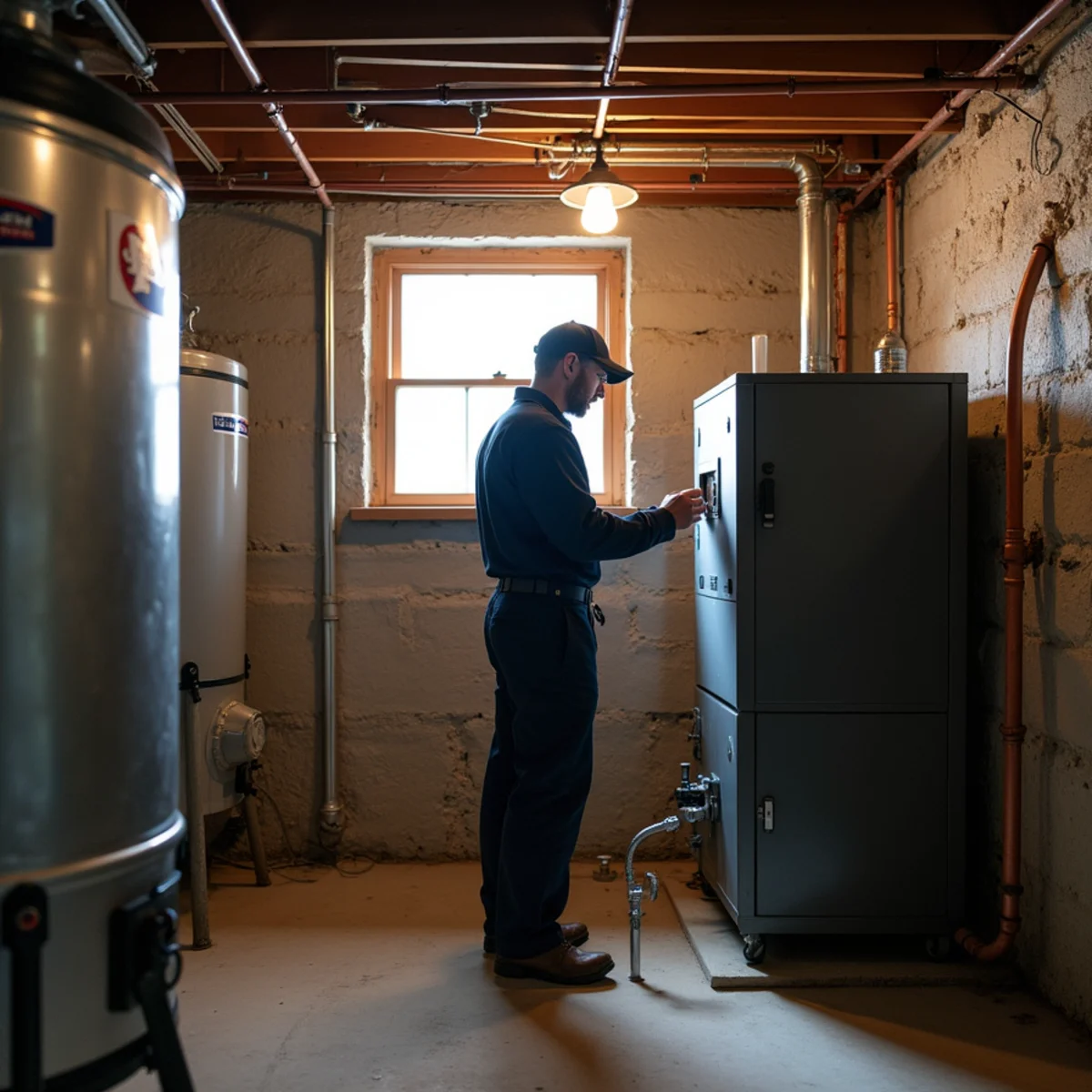
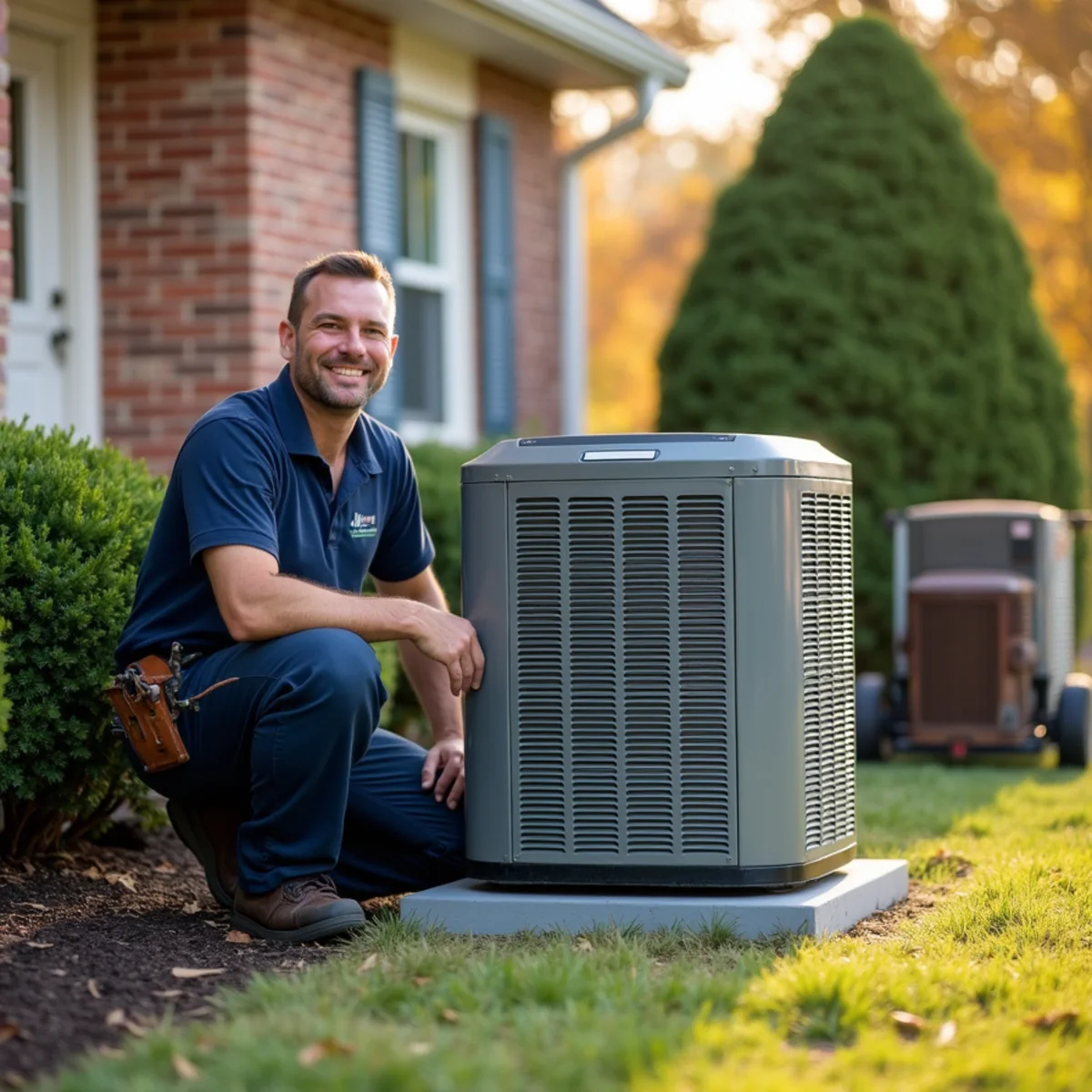
Most of Whitpain Township went up between the 1980s and the early 2000s, and that wave is now coming due. The furnaces and central air units in Blue Bell Country Club estate and carriage homes, built from 1992 on, are on their second replacement cycle. The 1960s and 1970s colonials around them are on their third, and some still burn oil.
Your Comfort Air Solutions answers the phone 24/7 and dispatches an independent local contractor to measure the house and quote the job. Every HVAC technician we send is licensed where Pennsylvania requires it, and insured. You get the installed price before anyone disconnects the old system.
Signs it is time to replace rather than repair
Central air conditioners and heat pumps here usually last 12 to 15 years; gas furnaces 15 to 20 or more. Past those marks, each repair buys less time. The clearest signals:
- A major failure on an old unit: a compressor, a leaking evaporator coil or a cracked heat exchanger on a 14-year-old system.
- R-22 refrigerant. Production ended in 2020, so every recharge draws on reclaimed supply. A leak is the signal to plan replacement before a July failure forces it.
- Repeat calls for different parts in the same season.
- Slipping comfort: upstairs rooms that never cool, a damp summer house, PECO bills climbing with no change in how you live.
Our guide on whether to repair or replace a 15-year-old AC or heat pump works through the math, and the technician we send will price both options side by side.
Central air conditioner replacement
Central air is a matched pair: the condenser outside and the evaporator coil on top of the furnace or inside an attic air handler. A new condenser always gets a new coil now, because an R-454B or R-32 condenser cannot run on an old R-410A coil.
- The old refrigerant is recovered into a cylinder, never vented.
- The new condenser is set level on a pad, clear of shrubs and the dryer vent.
- The coil goes in and the cabinet is sealed so air cannot bypass it.
- An accessible, correctly sized line set may be flushed and reused; one buried in a finished ceiling gets replaced.
- Joints are brazed with nitrogen flowing, pressure-tested, and pulled to a deep vacuum of about 500 microns that has to hold.
- The charge is set by superheat or subcooling with the system running.
Efficiency is now rated in SEER2, so don't compare it with the SEER sticker on a 2008 unit. Two-stage and variable-speed condensers run longer at low speed and pull more moisture from the air, which counts for a lot in a humid Blue Bell July.
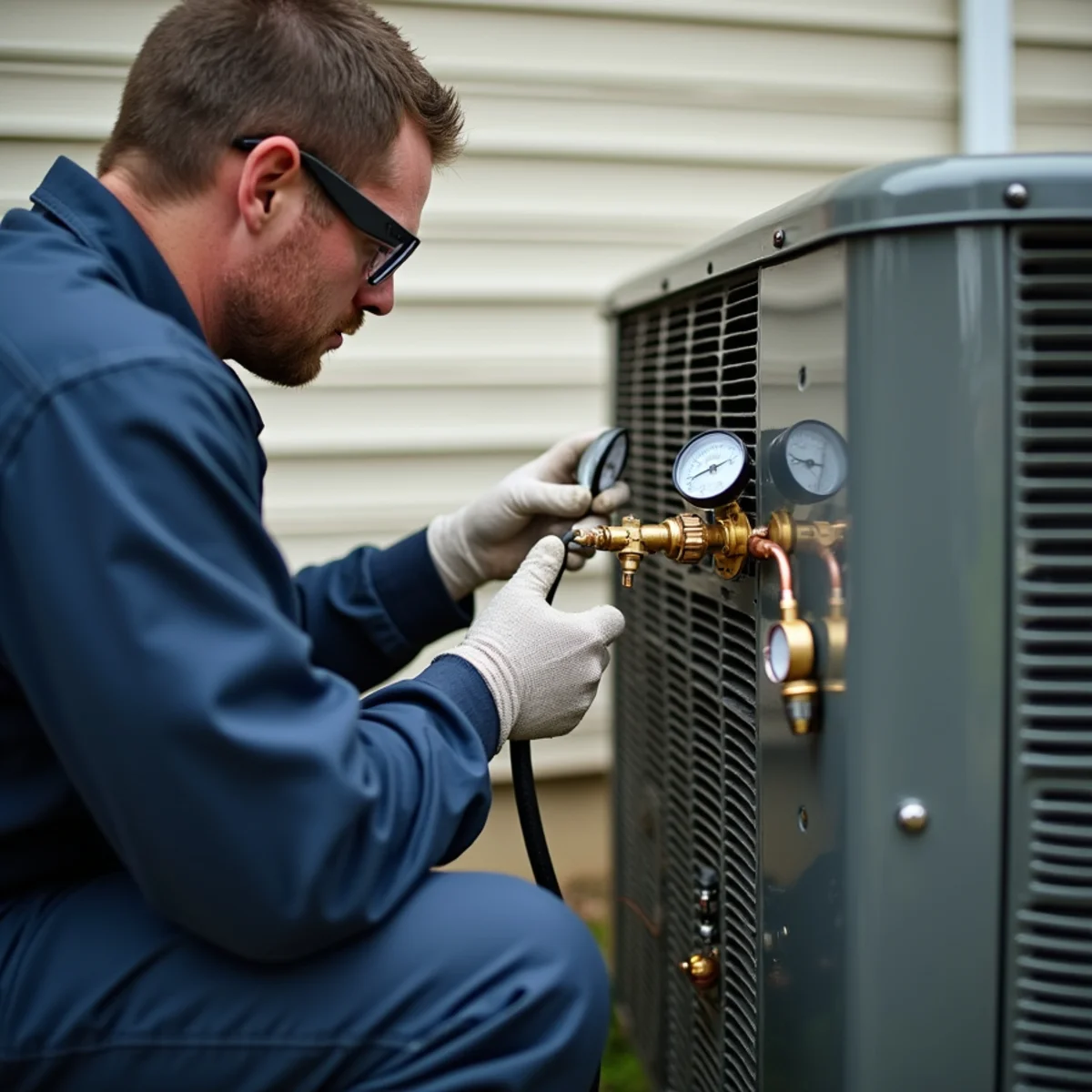
Gas furnace replacement: 80% vs 90%+ efficiency and how each one vents
About 57% of homes here heat with PECO gas, so furnaces are the replacement we line up most. Choosing efficiency is really choosing how the furnace vents.
| Item | 80% AFUE | 90%+ AFUE condensing |
|---|---|---|
| Venting | Metal flue into the chimney | PVC pipe out a side wall |
| Combustion air | From the basement | Usually piped in from outdoors |
| Condensate | None | Needs a floor drain or pump |
| Heat lost up the vent | About a fifth of the fuel | Under a tenth |
| Winter risk | Chimney draft problems | Snow-blocked vents, frozen condensate line |
If the old furnace shared a chimney with a gas water heater, switching to a 90%+ unit leaves the water heater alone in a flue sized for both. It may not draft properly, and acidic moisture can condense in the masonry. The usual fix is a stainless liner, and a good installer flags it on the first visit.
PVC terminations have to stay clear of windows, the gas meter and the snow line, and the condensate line should run away from cold rim joists. On a single-digit night, a buried vent or a frozen trap locks a condensing furnace out.
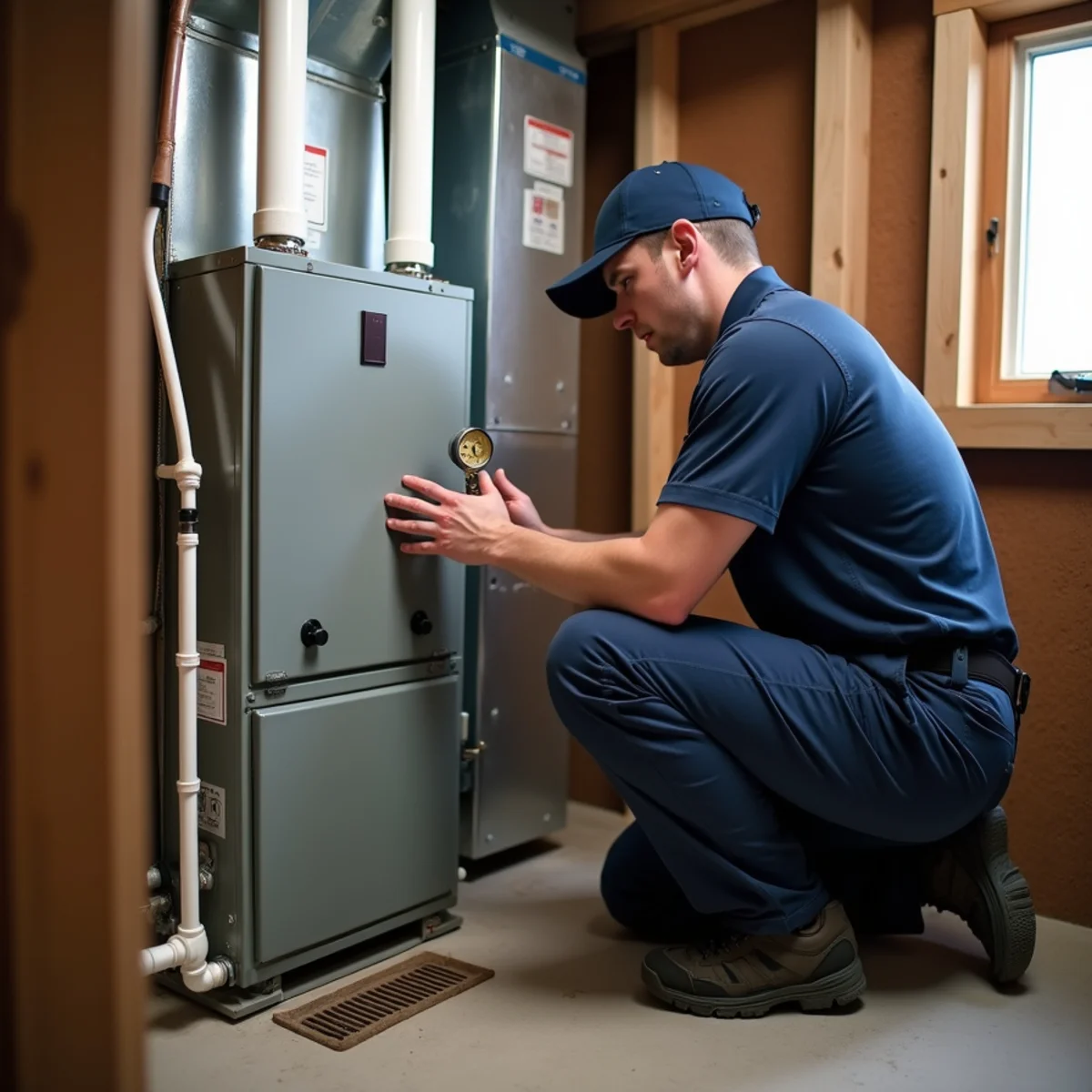
Heat pump and dual-fuel systems for PECO customers
About 28% of homes here heat with electricity, mostly 1980s and 1990s townhomes in places like Blue Bell Woods and Whitpain Hills, with a closet air handler and electric strips. Cold-climate replacements keep making real heat well below freezing, where the originals leaned on the strips once nights hit the teens.
With gas available, a dual-fuel system pairs a heat pump with a furnace instead of a plain AC. The heat pump does the cooling and most of the heating; below a switchover temperature set at the thermostat, the furnace takes over. Where an existing heat pump is struggling, heat pump repair may buy another season first.
Sizing by load calculation, not by the old unit's label
Copying the tonnage off the old condenser is the most common mistake. That number was often a guess in 1995, and the house has since gained new windows, attic insulation, maybe a finished basement. An oversized AC shuts off before it dries the air, leaving rooms cold and clammy.
A proper job runs an ACCA Manual J room-by-room load calculation, picks equipment with Manual S, and checks the ducts against Manual D, including a static pressure reading. Many 1990s homes have undersized returns that make a new blower loud and short-lived. Larger homes often have two systems, a basement furnace and an attic air handler, and each is sized on its own load.
Air quality and thermostats at install time
Add extras while the ductwork is open. A 4- or 5-inch media filter cabinet catches far more than a 1-inch filter. A whole-house humidifier eases dry January air; a ducted dehumidifier handles sticky finished basements. And the thermostat must match the equipment, since two-stage, variable-speed and dual-fuel systems need a control that can run every stage.
New refrigerants (R-454B, R-32) and what happens to R-410A systems
Under the EPA's Technology Transitions rule, new residential AC and heat pump systems use lower-GWP refrigerants, mainly R-454B and R-32, and new R-410A split systems could not be installed after January 1, 2026.
- Existing R-410A systems can still be serviced and repaired, but supply is being phased down and will keep getting pricier.
- No mixing: an R-454B condenser needs an R-454B coil.
- A2L handling: the new refrigerants are mildly flammable, so installers follow updated handling and leak-detection rules.
Oil-to-gas and oil-to-heat-pump conversions in older Montgomery County homes
About 12% of Blue Bell homes still burn oil, mostly colonials from the 1960s and 1970s, and the share runs higher in Glenside and Norristown.
- Oil to gas: confirm PECO gas reaches the street, then request service early, since PECO sets its own schedule for the line and meter. The chimney gets checked for a liner and the tank removed or properly abandoned.
- Oil to heat pump: existing ducts from an oil furnace make this a direct swap.
- Radiator houses: a new gas boiler, or ductless mini-splits for cooling and mild-weather heat with the boiler as backup.
In older Ambler houses, conversions often start at a boiler with wrapped pipes. Technicians will not disturb insulation that may contain asbestos.
The installation process, from first visit to final inspection
- Site visit and load calculation. The installer measures the house, checks insulation, windows and ductwork, and runs a Manual J so the new system is sized to your rooms, not to the old label.
- Written proposal. Matched equipment, efficiency ratings, refrigerant, what duct or electrical work is included, the permit, and the price. You approve it before anything is ordered.
- Permit. The contractor pulls the township permit. In Whitpain Township, expect one for a furnace, air conditioner or heat pump replacement.
- Removal. Refrigerant is recovered from the old system before it is disconnected, then the old equipment is hauled away.
- Install day. New pad or wall bracket, line set flushed or replaced, condensate drain and float switch, electrical disconnect, venting for a gas furnace, and the new thermostat. Most straight swaps take one to two days.
- Startup and commissioning. Refrigerant charge verified by superheat or subcooling, airflow and static pressure checked, and combustion tested on gas equipment.
- Walkthrough and paperwork. How to run the system, filter size and schedule, warranty registration, and the township inspection.
What's included in a new system installation
Two quotes for "a new AC" can describe very different jobs. A complete proposal should list each of these, so you can compare like for like.
- Manual J load calculation and matched indoor and outdoor equipment (Manual S)
- Removal, refrigerant recovery and disposal of the old equipment
- New or flushed refrigerant line set, a new pad or bracket, and the electrical disconnect
- Condensate drain, trap and float switch, plus PVC venting for a 90%-plus furnace or a chimney liner where needed
- Thermostat matched to the system (heat pump, dual-fuel or conventional)
- Township permit and inspection
- Startup testing with readings recorded, and manufacturer warranty registration
Rebates, permits and what affects the installed price
PECO's Smart Ideas program has offered rebates on qualifying high-efficiency equipment. Amounts and deadlines change, so check PECO's current program page before buying; the contractor can confirm eligibility. The federal 25C tax credit ended December 31, 2025. Most of Lansdale borough buys power from Lansdale Electric, so PECO electric rebates may not apply there. See our guide to PECO HVAC rebates.
Expect a permit; the contractor handles it, and you can confirm with Whitpain Township. Associations such as Blue Bell Country Club may also want approval for outdoor unit changes. The price depends on:
- Equipment type, capacity and efficiency tier, and whether one system or two is replaced
- Venting: a chimney liner or a long PVC run
- Duct changes, new circuits or panel space
- Line set replacement and access to attics and closets
- Conversion work and add-ons
We line up installers across Whitpain Township and the towns around Blue Bell, and the quote always comes before the work.
Why Blue Bell homeowners call Your Comfort Air Solutions before replacing a system
- A repair opinion first. If the system can be fixed sensibly, you hear that before anyone talks about a new one.
- Sized by calculation. The installers we line up size equipment with a Manual J load calculation, which matters in Blue Bell homes that were sized by rule of thumb in the 1990s.
- The price in writing before work starts, with the line items listed above, so you can compare it with any other quote.
- Answered 24/7 when a system dies outright. A dead condenser in July or a condemned furnace in January can be quoted fast, with a temporary fix discussed where one is safe.
- Licensed where Pennsylvania requires it, and insured. Every HVAC technician and installer we send meets that standard, and the contractor carries its own Pennsylvania home improvement registration.
HVAC replacement across Blue Bell and nearby towns
Replacement work is heaviest in the 1992 to 2005 homes across Whitpain Township, including Blue Bell Country Club estate and carriage homes now on their second system. Nearby, Collegeville subdivisions in 19426 and Trappe have original systems reaching replacement age, and Exton townhomes in West Whiteland Township are replacing their first heat pumps.
In the older boroughs the job is often a conversion instead of a swap: oil to gas or a cold-climate heat pump in Glenside and Norristown houses that still burn oil. See the full list of service areas.
HVAC Installation and Replacement questions from Blue Bell homeowners
How long does a full system replacement take?
A like-for-like swap of a gas furnace and central air in a Blue Bell basement usually takes one full day. Add a day for a heat pump with new electrical work, a chimney liner or major duct changes, or for a larger home with a second system in the attic. Oil-to-gas conversions stretch over several visits because PECO installs the gas service first. The permit inspection is scheduled after the install.
Should I replace the furnace and the AC at the same time?
Often, yes. The AC's coil sits on the furnace, and coil, condenser and blower are rated as a matched set, so replacing them together gets the rated efficiency. If the furnace is 15 or more years old, doing both saves a second round of labor. If it is under ten and healthy, a condenser and coil alone is reasonable. Since new condensers use R-454B or R-32, the coil changes either way.
Are there PECO rebates for a new heat pump, furnace or central air system?
PECO's Smart Ideas program has offered rebates on qualifying high-efficiency equipment, including heat pumps and central air. Amounts, qualifying efficiency levels and deadlines change, so check PECO's current program page before you buy and ask the contractor to confirm the specific model qualifies. The federal 25C tax credit ended on December 31, 2025. If your electricity comes from Lansdale Electric rather than PECO, PECO's electric rebates may not apply.
Does Whitpain Township require a permit to replace HVAC equipment?
Expect one. Whitpain Township generally requires a permit for HVAC equipment replacement under the Pennsylvania Uniform Construction Code. The contractor we dispatch pulls it and arranges the inspection, so you don't file anything yourself. Requirements can change, so confirm with the township if you want certainty. Neighboring towns run their own permit offices.
What SEER2 rating should a new air conditioner or heat pump have?
In Pennsylvania the federal minimum is 13.4 SEER2 for a new split-system central air conditioner and 14.3 SEER2 for a split heat pump. Higher ratings cost more upfront and save more on PECO bills, and PECO rebates usually require a higher tier. The rating only holds up if the system is sized correctly and the refrigerant charge and airflow are set at startup, so ask for those readings.
When is the best time to replace an HVAC system in Blue Bell?
Spring and fall, when installers are not chasing emergency calls and you can compare quotes calmly. Replacing an air conditioner in April or a furnace in September also avoids running on a failing system through the worst weather. If the old system has already failed, a replacement can still be quoted quickly, but you lose the chance to plan.