If your AC is running but not cooling, check six things in order: the thermostat, the air filter, the breakers, the outdoor unit, ice on the lines or coil, and the condensate drain. A dirty filter or a frozen coil explains a lot of July calls, and both are things you can spot in a few minutes.
If the outdoor unit hums without its fan turning, or a breaker trips twice, stop and call (321) 478-0693.
Before you start, know what normal looks like on a muggy 95-degree afternoon. A properly sized system may only hold the house around 75 to 78 degrees late in the day. Slowly losing ground is not always a failure. Warm air from the vents is.
The Six Checks, in Order
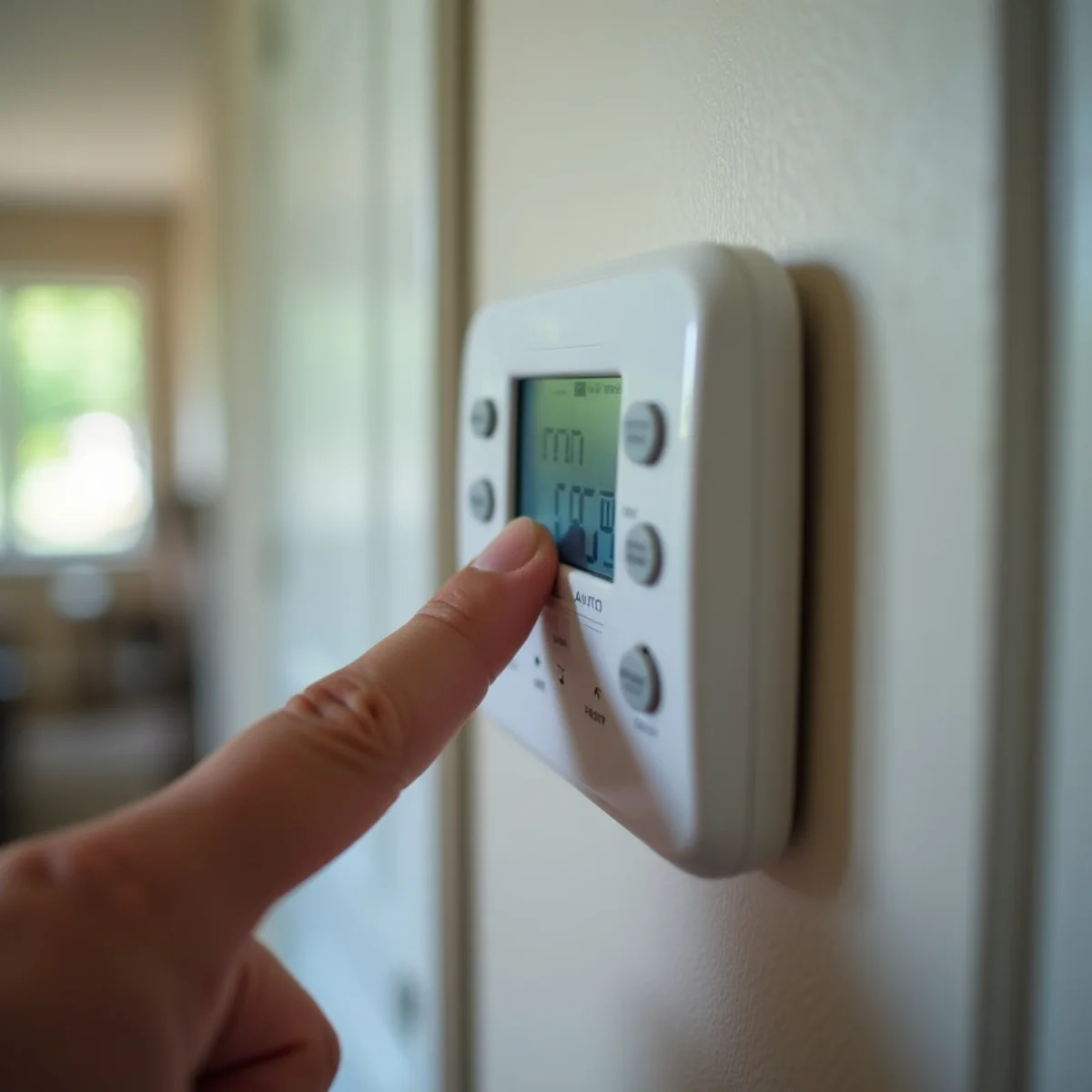
- Thermostat. Confirm it is set to Cool, the setpoint is a few degrees below room temperature and the fan is on Auto. If the screen is blank or dim, replace the batteries.
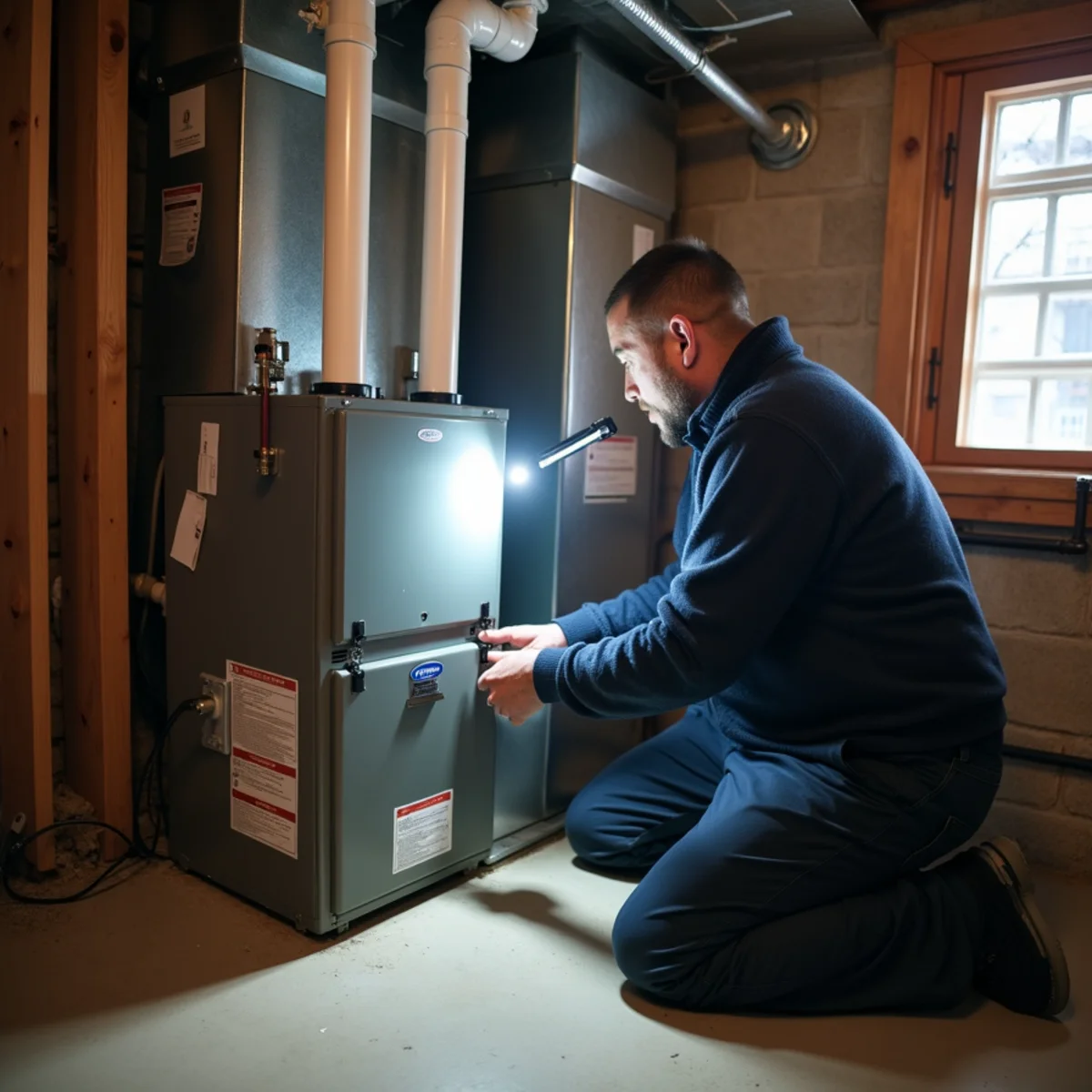
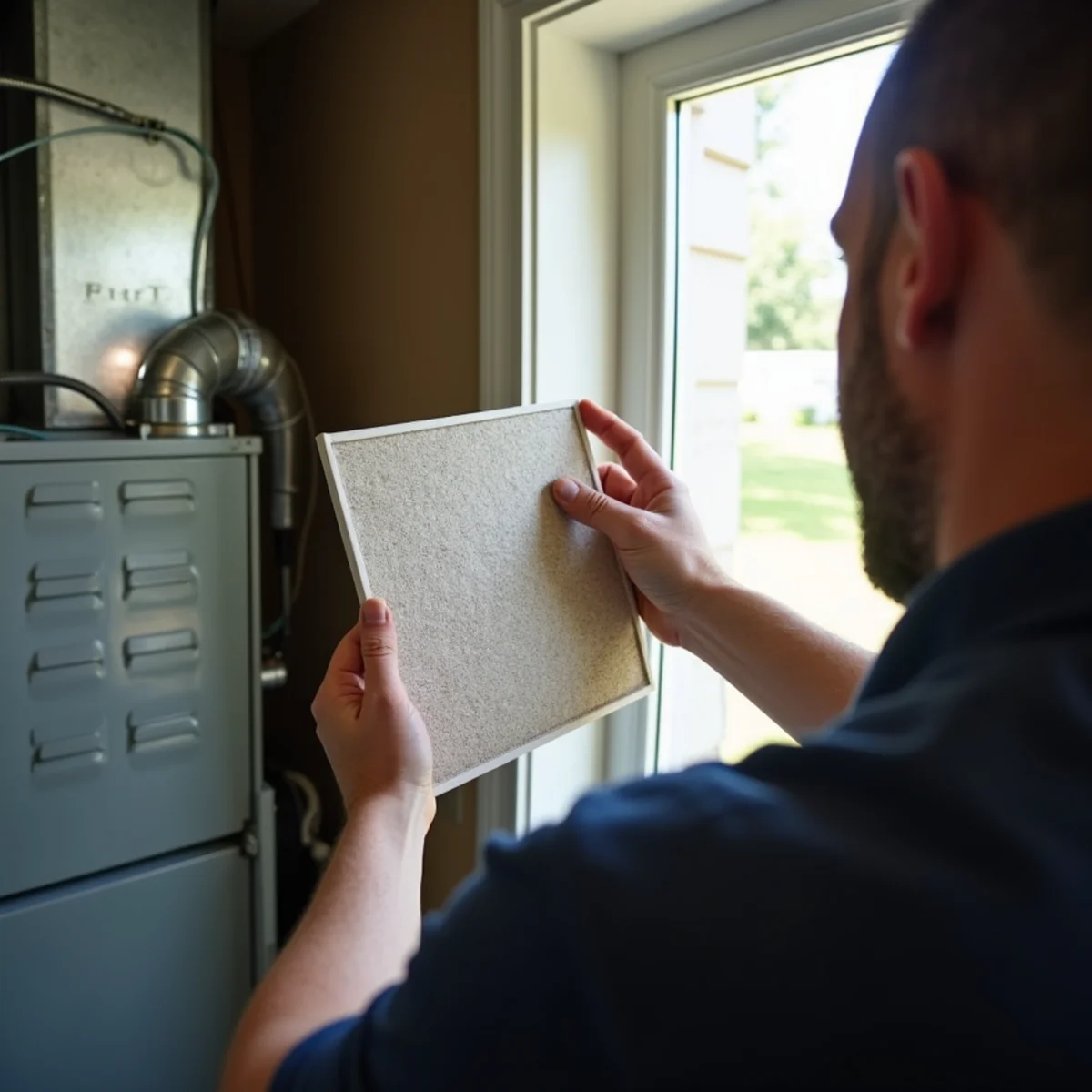
- Air filter. Pull the filter at the furnace or air handler. If you cannot see light through it, replace it. A clogged filter starves the indoor coil of air.
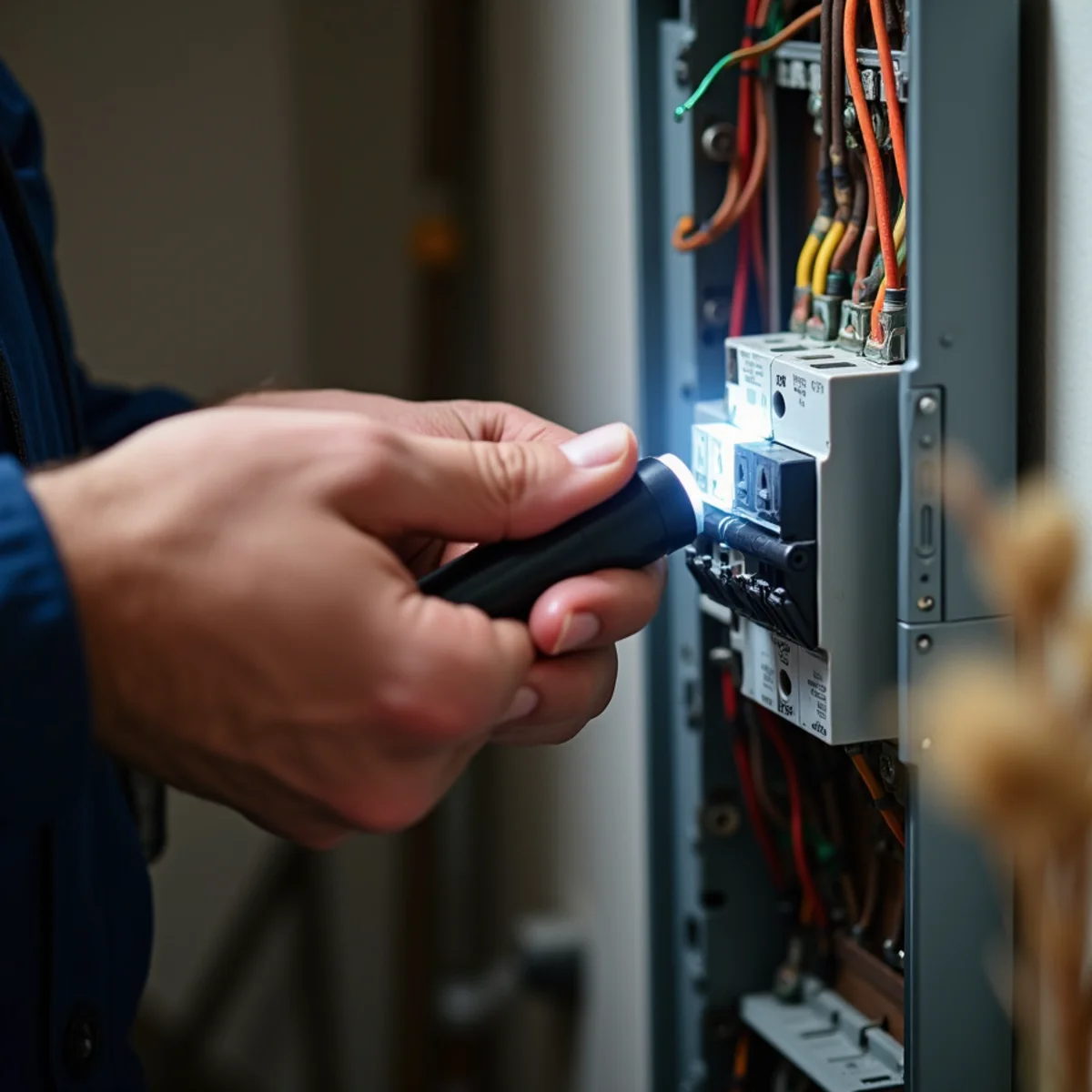
- Breakers. Check the main panel for a tripped breaker on the AC and on the furnace or air handler. Reset a tripped breaker once. If it trips again, leave it off.
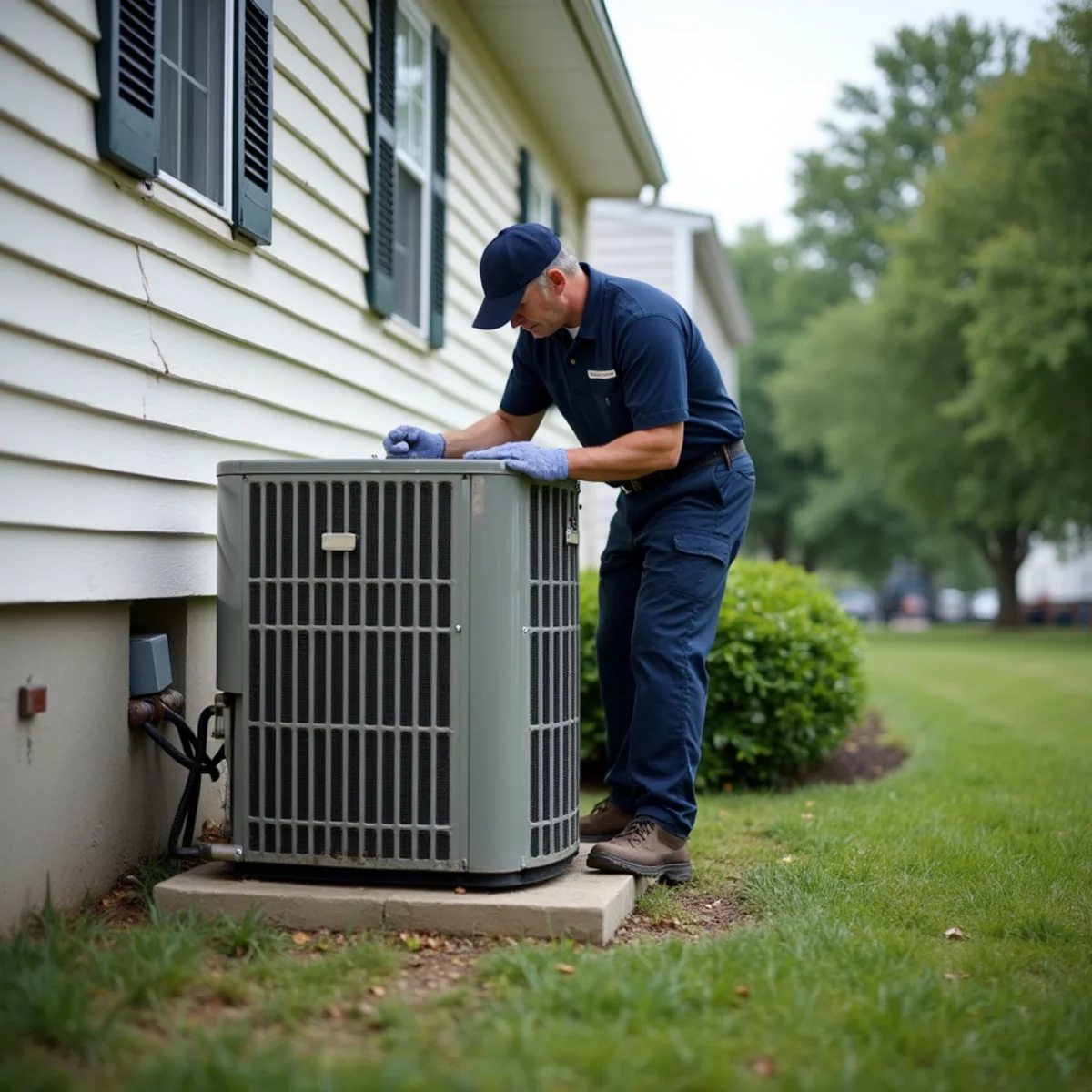
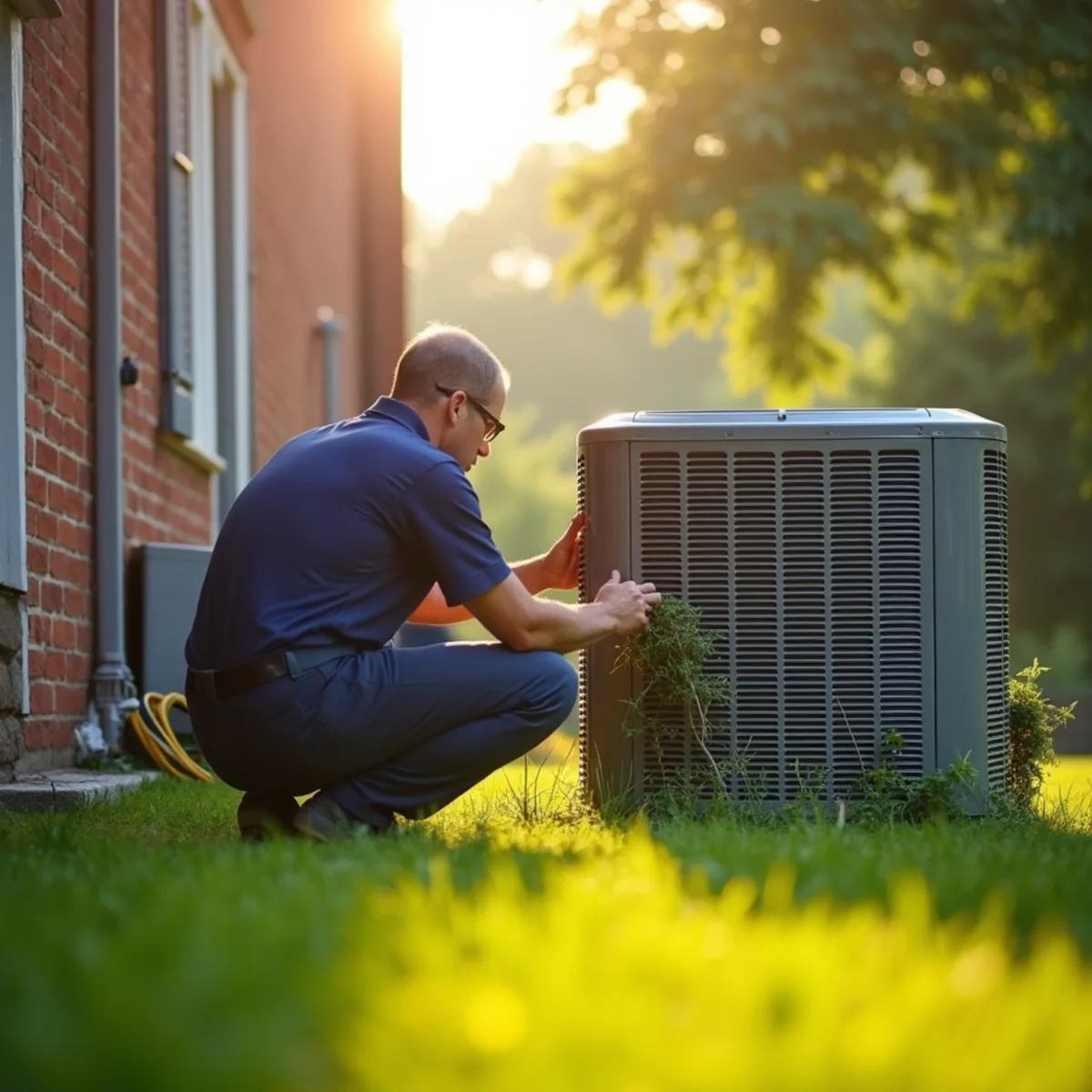
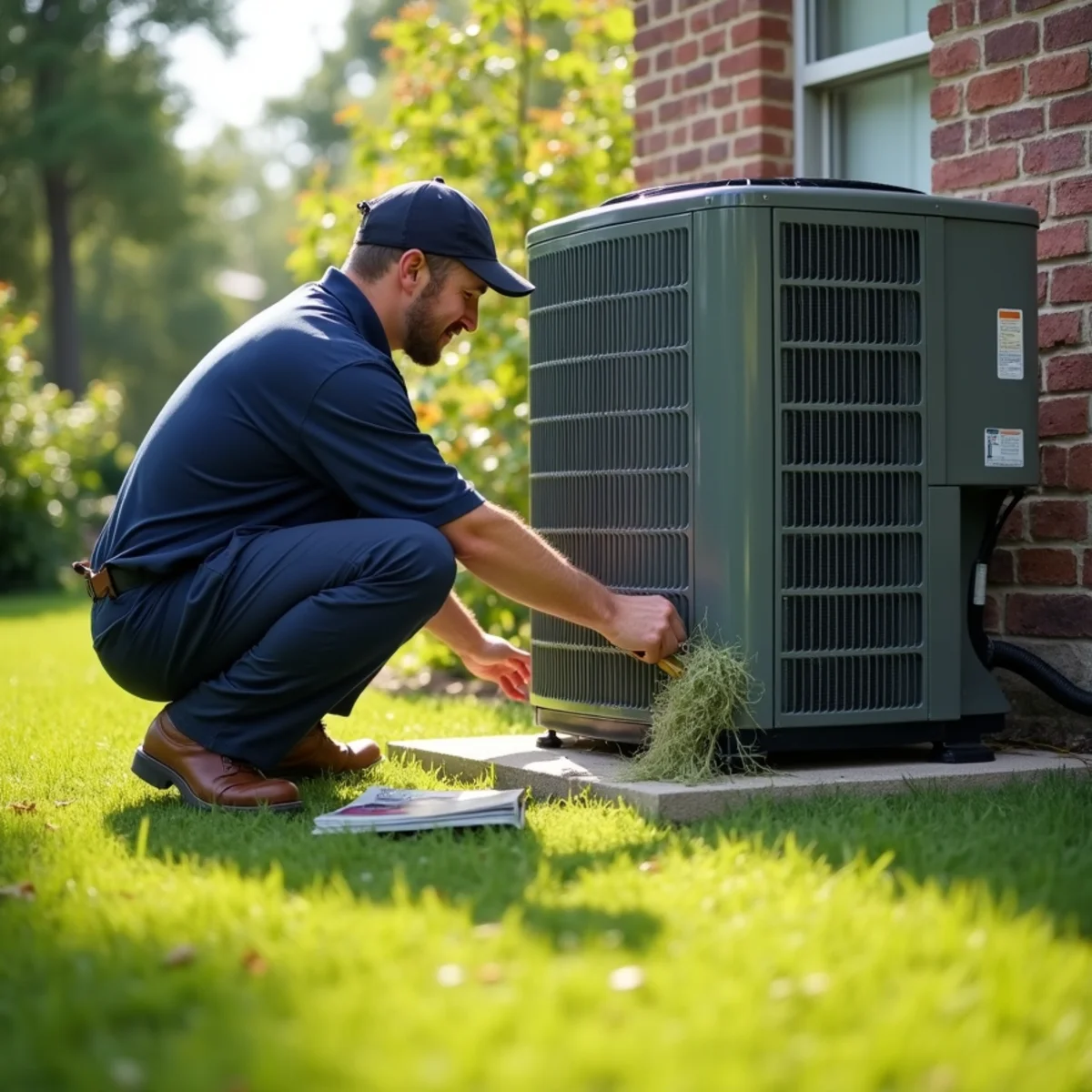
- Outdoor unit. Stand beside the condenser with the system calling for cooling. The fan on top should spin and you should feel warm air blowing up. Clear leaves, grass clippings and cottonwood fluff from the sides.
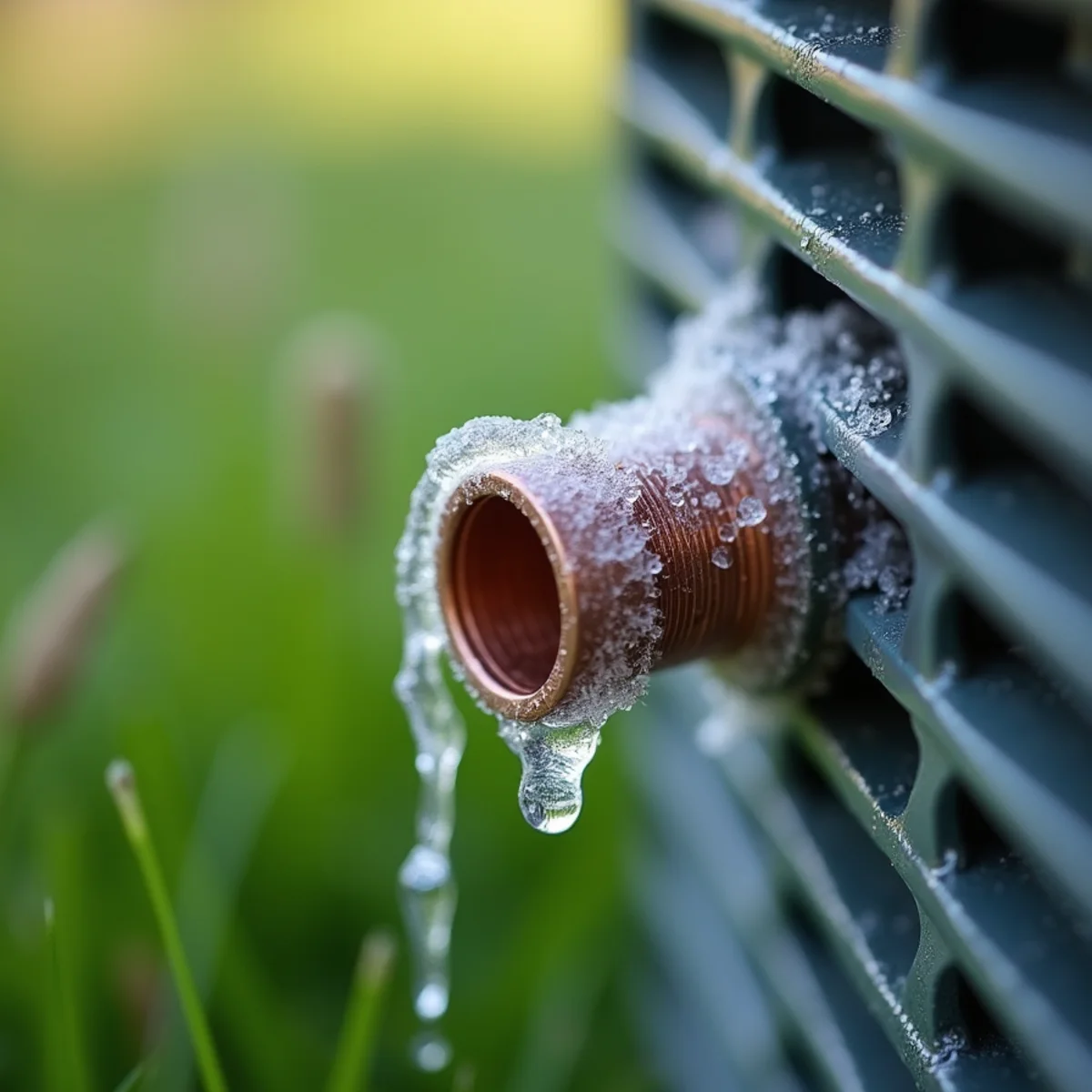
- Ice. Look at the copper lines where they enter the outdoor unit and, if visible, at the indoor coil above the furnace. Frost or ice means a frozen coil.
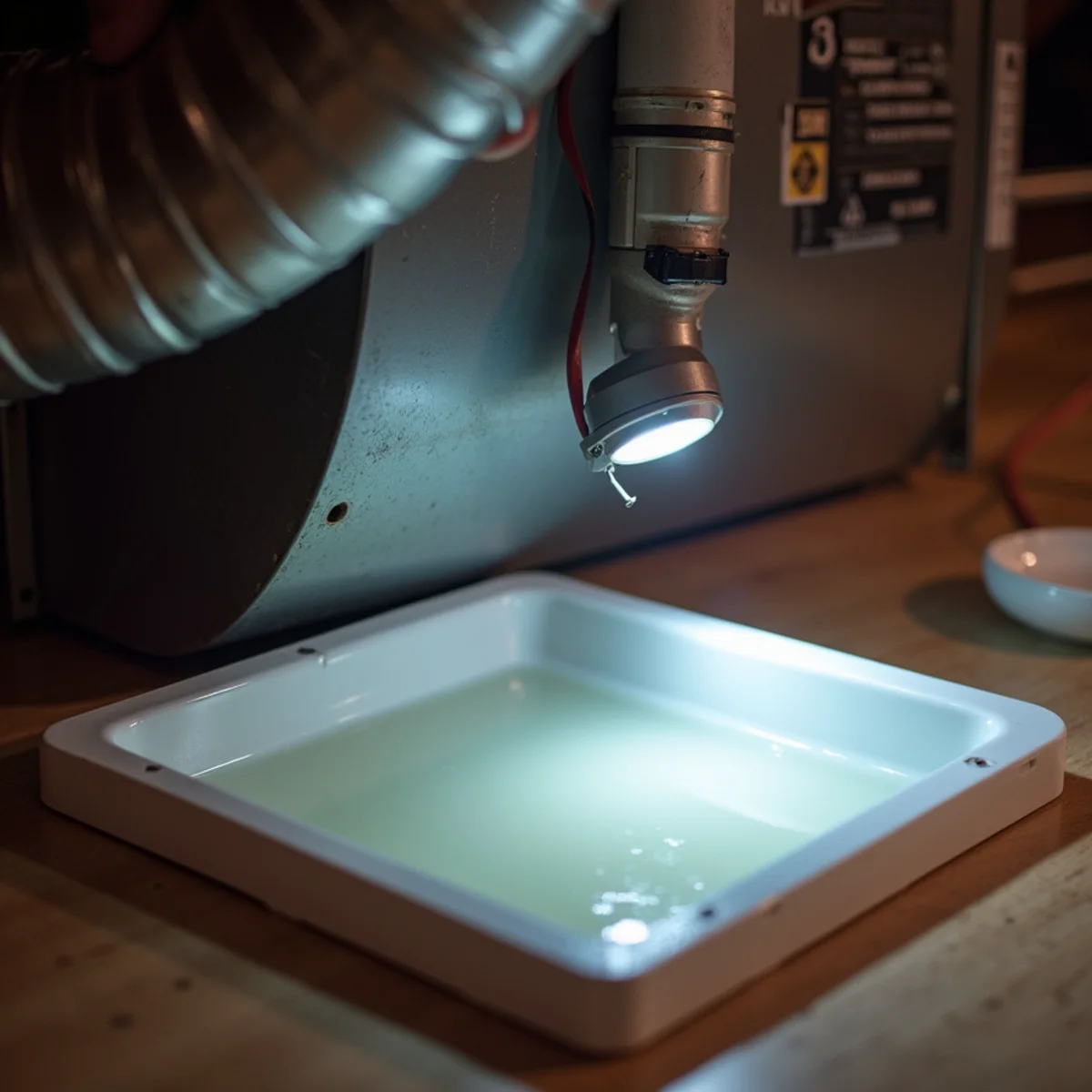
- Condensate drain. Look for water in the pan under the indoor unit, a full condensate pump or a tripped float switch. Many systems shut the AC off on purpose when the drain backs up.
Leave equipment covers in place throughout. Nothing on this list requires opening the furnace, the air handler or the outdoor unit, and nothing should.
Reading the First Three Results
Thermostat fixed it? Great. If a smart thermostat keeps reverting to a schedule or loses Wi-Fi, check its app settings before assuming the AC is at fault.
Filter was packed? Swap it, but do not expect instant cold air. A starved coil may already be partly frozen. Give it the thaw routine below before judging.
Breaker tripped twice? That is a stop sign. Repeat trips point to a shorted compressor, a failing fan motor or a wiring fault. Resetting it again can damage the compressor or the wiring. This is when to call.
What the Outdoor Unit Is Telling You
The condenser does the heavy lifting on a 90-degree day, and it is where most summer failures show up.
- Fan spinning, warm air blowing up, but the house is still warm: the compressor may be running short of refrigerant, or the coil is caked with dirt. With the system off at the thermostat, a gentle rinse from a garden hose on the outside of the coil can help. Never use a pressure washer.
- Humming but the fan is not turning: a failed run capacitor is the most common cause, especially after a stretch of heat. Turn the system off at the thermostat so the compressor stops straining and call.
- Completely silent while the indoor blower runs: a tripped breaker, a failed contactor or a thermostat wiring problem. If the breaker is fine, this needs a technician.
- Clicking on and off every few minutes: short cycling, which wears out the compressor fast. Shut it off and call.
Capacitors and contactors are wear parts that fail often in July heat. They also store a dangerous charge, which is why the technician we send replaces them and you do not. Our AC repair service page explains how these calls usually go.
Handling a Frozen Coil the Right Way
A frozen evaporator coil feels backwards on a hot day, but it is common. When too little air crosses the coil, or the refrigerant charge is low, the coil drops below freezing and the moisture in humid July air turns to ice. Ice blocks more air, and the cycle feeds itself.
Thaw it, do not chip it
Set the thermostat to Off for cooling and switch the fan to On. Let the blower run for several hours until the lines and coil are clear and dry. Never chip, scrape or pry ice off the coil or the copper lines. The fins and tubing are thin and a puncture turns a minor service call into a coil replacement.
Put a towel near the furnace or air handler, since a lot of meltwater will head for the drain at once. Once it has thawed, put in a clean filter, open any closed supply registers and turn cooling back on. If it freezes again within a day, the cause is likely low refrigerant or a blower problem, and you need a visit.
Water, Drains and Float Switches
Your AC pulls gallons of water out of the air on a sticky day. That water drains through a small line to a floor drain, a sump or a condensate pump. In attics and townhome closets, a float switch in the pan cuts power to the AC when the drain backs up, so the system simply quits cooling while the blower keeps running.
If you find standing water, turn the system off and call. Clearing a clogged line and resetting the float switch is a quick fix for a technician, and running the AC with a blocked drain risks a ceiling stain or a wet basement.
From the field: how a technician reads a struggling AC
A measurement you can take yourself
With the system running for 15 minutes, hold a kitchen thermometer in a return grille, then in a supply register near the air handler. A healthy system usually cools the air roughly 15 to 20 degrees on the way through. A much smaller drop points to low charge, a dirty coil or a weak compressor. A much bigger one with weak airflow points to a filter or blower problem. Write both numbers down for the technician.
What the technician checks next
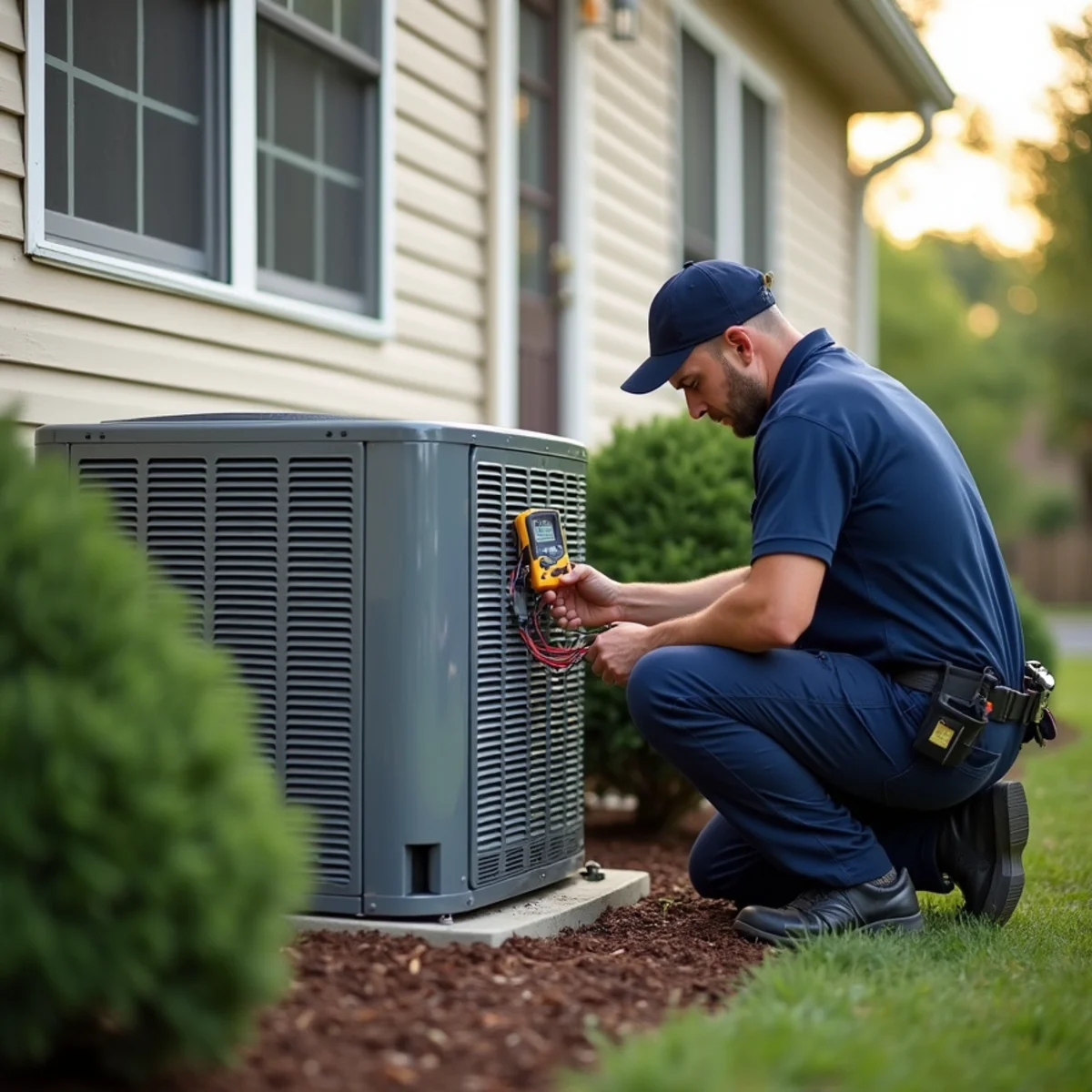
- Capacitor readings. A capacitor that tests weak can let the compressor struggle and trip on overload in the afternoon heat, then restart at night.
- Condenser coil condition. Cottonwood fluff in June and grass clippings all summer mat onto the outdoor coil. Head pressure climbs and cooling drops on the hottest days.
- Superheat and subcooling. These readings separate a low refrigerant charge from an airflow problem. Adding refrigerant without them is guessing.
- The indoor coil. A system run without a filter for a season can coat the evaporator coil, which no amount of refrigerant will fix.
- Supply registers and returns. Closed or blocked registers and furniture over a return starve the system of air, which looks exactly like a refrigerant problem from the thermostat.
When to Stop Checking and Call
- A breaker trips a second time.
- The outdoor unit hums, buzzes or clicks without its fan turning.
- You smell burning plastic or hot electrical insulation.
- The coil refreezes after a full thaw.
- Someone in the house is elderly, an infant or has a medical condition that heat makes worse.
That last point matters during a heat wave. If the house is becoming unsafe, treat it as an urgent call and see our 24/7 emergency HVAC repair page. In Phoenixville and the other outer-ring towns we line up scheduled visits rather than promising a fast arrival, so call early in the day. More on that is on the Phoenixville HVAC service page.
If the system is 15 years old or still runs on R-22, the fix may not be worth it. Our article on whether to repair or replace an older AC walks through the refrigerant change. And many of these July failures start as problems a spring AC tune-up checklist would have caught.
The bottom line
On a 90-degree day, run the six checks in order: thermostat, filter, breakers, outdoor unit, ice and condensate drain. Take the temperature split if you can. If the fix is a filter or a breaker, you are done. If you find ice, a silent outdoor fan or a tripped float switch, turn cooling off and call. Those need a technician with gauges and a meter, and the sooner it is caught, the less likely the compressor is to suffer.
Questions readers ask
Why is my AC running but the house is still warm?
The most common causes are a clogged air filter, a frozen indoor coil, a dirty outdoor coil, a failed capacitor that keeps the outdoor fan or compressor from running, and low refrigerant from a leak. On very humid 90-degree days, an undersized or aging system may also run nonstop and still fall behind. Start with the filter and thermostat. If the outdoor unit is humming without its fan turning, or the lines are icing up, call a technician.
How long should I let a frozen AC coil thaw?
Plan on several hours, sometimes most of a day for a heavily iced coil. Turn cooling off at the thermostat and set the fan to On so warm indoor air moves across the coil. Do not chip or scrape the ice. Once the copper lines and coil are completely dry, replace the filter and try cooling again. If the coil ices up again, the system likely has an airflow or refrigerant problem that needs a technician.
Can I add refrigerant to my AC myself?
No. Handling refrigerant requires EPA certification, and adding refrigerant without finding the leak only buys a few days or weeks. A low charge means refrigerant is escaping somewhere. The technician we send reads pressures, superheat and subcooling to confirm the charge, then looks for the leak. On an older R-22 system, recharging is costly because that refrigerant is no longer produced, so it is often a signal to start planning a replacement.